





Why a Former Teacher Kept Her Own Kids Out of the Classroom
This is the second in a three-part series on unschooling. Read the first installment in the series here
By Michelle Cox
According to the U.S. Department of Education, an estimated 1.5 million  students were homeschooled in the spring of 2007, up from just over 1 million students in 2003.
The numbers certainly indicate that more and more parents are choosing alternative methods to educate their children. And while most people are familiar with the concept of homeschooling, the practice of “unschooling” also is growing in popularity.
Unschooling can be defined as “creating and maintaining an environment in which natural learning can take place,” according to Sandra Dodd, an unschooling parent and advocate from Albuquerque, N.M., who has published numerous articles on the topic.
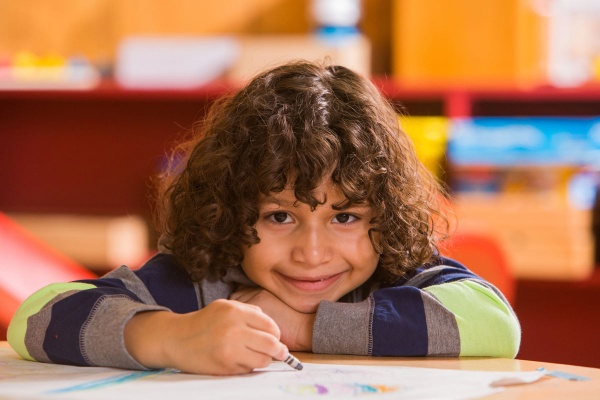
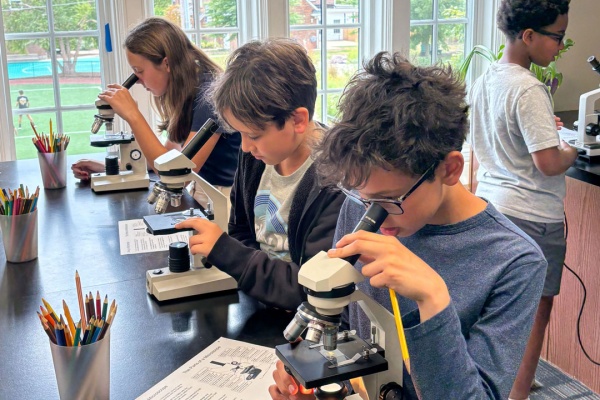
Basically, it is a method of education that doesn’t use a curriculum or formal lesson plans, but rather lets children learn based on what interests them.
A former teacher, Dodd never put any of her three children — now ages 24, 21 and 18 — into a formal school setting and instead chose to unschool them.
“I think the way adults learn is the best way to learn — ask questions, look things up, try things out and get help when it’s needed,” she said. “Kids want to learn. When people unschool their kids, the relationship with the kids becomes the driving force, and it becomes the environment for more learning and more happiness, which primes the pump and you can’t stop it. Try not to learn. You can’t do it.”
Dodd authored The Big Book of Unschooling and Moving a Puddle, which is a collection of her essays on learning, parenting and everyday life in the absence of school. She speaks at conferences across the country and maintains an unschooling Web site as a resource for unschooling families.
She said the unschooling movement got its start with the late John Holt, who studied and wrote extensively about school reform in the ‘60s, ‘70s and ‘80s. According to the web site dedicated to his writings, Holt created the term unschooling in 1977 when he wrote about it in the early issues of Growing Without Schooling magazine.
“John wrote a book called Teach Your Own. It basically contained the idea that our schools aren’t going to get better so here’s another alternative,” Dodd said. “From there, families who had been secretly and sneakily unschooling began going public about unschooling.”
Dodd is adamant about the fact that homeschooling and unschooling are very different methods of educating children.
“I want to help people who want to unschool — people who want to do it without a curriculum,” she said. “I don’t want to help people who are homeschooling for the purpose of limiting what their children are exposed to because they think school tells their children too much. They want less information.
"Unschoolers want more information — they want their kids out in the real world, learning from the real world, not separated from it.”
To the question of “How will your child learn math or learn to read?” Dodd said that curriculums and grading systems are what cause children to fail.
“Are you aware of how many kids in school can’t read or do math?” she asked. “Curriculum isn’t magic. And if a child is really good at art but can’t do math, that child will fail in school instead of being encouraged to be really good at art. That doesn’t make sense.”
In part 3 of our series on Unschooling we'll find out how the Missouri Department of Education views unschooling and talk to a professor at Washington University about how kids learn. Click here to read part 3.
To read part 1, click here
Share This Story