






The Sneezin' Season Is Upon Us
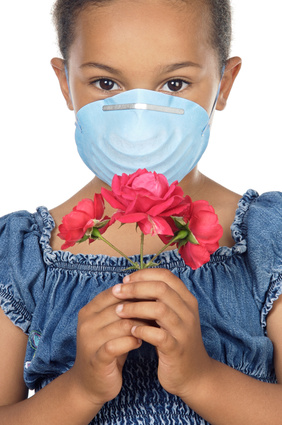 With all the viruses going around, the up-and-down temperatures and the spring plants starting to bloom and bud, how's a parent to know what is triggering a child’s stuffy nose?
“It is difficult to tell the difference with early signs of virus or allergy,” said Anne Borgmeyer, a pediatric nurse practitioner at St. Louis Children's Hospital, via e-mail. “Allergy symptoms typically do not include fever, chills, or body aches but may include itchy eyes, sneezing, clear runny nose.”
Although your yard, like mine, might be sprouting flowers already, Borgmeyer said that “true spring allergens are not yet prevalent.” However, she added, “The early warm weather will definitely influence the timing of the season.”
Dr. Robert W. Smith, market medical director at United Healthcare, agreed. “Early blooming of various plants may lead to earlier reactions to the allergens, those elements to which a child may respond,” he said via e-mail. “In addition, temperatures and climatic conditions may lead to certain mold spores increasing. As moderate temperatures persist, children will be outdoors more often and more exposure may occur.”
Unfortunately for parents, there is no hard-and-fast rule about when to start allergy medications. “Each child is different,” Borgmeyer said. “Children who are sensitive to the winter/spring pollens and seem to have trouble every year before the warmer weather spring pollens start up may benefit from starting allergy medicine before the traditional spring season.”
Closely observing your child is the best course of action right now. Smith cautioned against starting over-the-counter medications like Claritin (loratadine) or Zyrtec (cetirizine) as a preventative measure.
“All medications have side effects,” he explained. “Some of those medications used in children may have behavioral side effects as well. Pre-treating a child with over-the-counter medications does not reduce the likelihood of response and could be unnecessary. Environmental controls, dusting regularly, HEPA filters, cleaning mini-blinds, and plastic mattress covers may all be better preventive measures than giving a child medication.
"Avoiding irritants (like second hand cigarette smoke and nail polish remover) in the home is also important. Of course, filters in heating and air conditioning systems should be replaced regularly to avoid the collection of various allergens.
“Start medications when symptoms become evident,” he said. “When in doubt, ask your family physician, pediatrician or allergist.”
If you already know what pollens and molds trigger your child’s allergies, it can be helpful to pay attention to the counts released by reliable organizations like the The American Academy of Allergy Asthma and Immunology and Asthma and Allergy Foundation of America websites. But the experts cautioned against trying to predict what your child is allergic to based on those counts.
“If you are in doubt about what a child is reacting to, and the symptoms are serious enough to warrant intervention (desensitization or "allergy shots"), then your physician should be able to help you understand to which allergen your child reacts and what to watch,” Smith said.
Although the counts are given within a geographic region, Borgmeyer added, “Pollen levels vary from day to day and vary in different areas of the county.” She recommends entering your child’s specific allergies and getting alerts when the levels go up in your area. At that point, she said, “It's not too late to start your allergy regimen. Most medications have a pretty quick onset of effect.”
Smith noted that “allergies are common in St. Louis. The climate and geography account for that.”
But it’s also important to note that there are many possible triggers for allergic reactions that aren’t related to the weather or geographic location. “First of all,” Smith said, “irritants can often be mistaken for ‘allergies,’ so there should be no smoking or volatile chemicals used in the house. Those are not true allergens, but they make symptoms worse.
“After that is accomplished, think about anything new that has been introduced to your child's environment: a cat, a dog, new foods, new soaps, new laundry detergent or fabric softener, a new air freshener, or perfumes,” he suggested.
“After that assessment is made, a conversation with your physician about the proper assessment and treatment is appropriate. Bring your observations to your physician and discuss the actions you have taken to reduce the exposure.”
By Amy De La Hunt, Health Blogger for SmartParenting
Share This Story

Amy De La Hunt is a journalist and editor who lives in the St. Louis metro area and works across the country as a writer, copy editor, project manager and editorial consultant on everything from fiction books to monthly magazines to blog posts. When she's not chauffeuring her teenage sons to activities, Amy is an enthusiastic amateur cook, landscaper, Latin dancer and traveler. Follow Amy on Instagram @amy_in_words