


My Preschooler Has a Frenemy
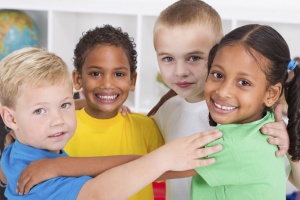
Alexis and Krystle. Kelly and Brenda. Zach and Slater. If there’s anything 80’s TV has taught us is that everyone has a frenemy at one point or another. Yet, as any parent knows, the frenemy battles can start early in a child’s life.
While preschoolers may not be stealing each other’s boyfriends or shoving their enemies in the mud by their shoulder pads, hitting, name-calling and hair-pulling can become the norm when they’re trying to find their spot in the social hierarchy.
According to Chesterfield play therapist and registered clinician James Carroll, the main reason children argue at this young age is because of their level of development, which affects their ability to control their emotions and aggressive feelings.
“It is generally around the age of five years old that children are able to play cooperatively together and can realize that other people can have a different point of view,” he explained via email. “Additionally, I see children’s limited vocabulary as being a factor in a child’s sense of frustration, anger and aggression. Children’s limited ability to express their emotions and what is wrong can contribute to their feelings of frustration and anger.”
What’s behind the tension
While we may never convince our children to become BFF’s with their mortal enemies, as parents it’s our job to join with their teachers to keep the clashes from escalating and teach our kids to treat each other with respect, regardless of their disagreements. But when personalities clash, that’s easier said than done.
According to Crystal Andres, assistant director for the YMCA Early Childhood Development Center in Edwardsville, teachers are often the first line of defense in the preschool battles.
“This would be a great time for the teacher to implement a unit on friendship and respect in the classroom. Tthere are some wonderful children’s books on this subject. After reading such stories and discussing it in the classroom, the children could be encouraged to role-play different scenarios and let them come up with positive solutions to resolve the conflicts.”
Yet, battle scars can extend well past the school day. In some cases, you may receive a note from the teacher about the altercation or a simple mention in passing by your little one that he or she shrugs off. But in other cases, your child might be extremely upset if he or she’s been bullied or still feels aggressive toward his or her friend.
Both Andres and Carroll agree talking the situation out is crucial to everyone’s happiness. Remarked Andres, “Our role as parents at home is extremely important in letting the child express what might be going on between them and the other child. ‘Home’ is their safe place, and they should feel comfortable in sharing their feelings and emotions and be allowed to open up about what might be causing the conflict. It’s important not to brow-beat the child, but gently encourage them to talk about the situation.”
Carroll noted that whether your child is the victim, the bully or equally responsible for the continued frenemy friction, support and empathy can help parents to get to the root source of the issue and help children make the right choices.
“I think it is important that children have an understanding of why someone was mean or aggressive with them. This helps them make sense of the situation and not take on any of the blame. If your child is the aggressor, it could possibly indicate that he or she is having difficulty with self-control, witnessing violence (e.g., television, video games, domestic violence, etc.), or the aggressive behavior is somehow being rewarded.”
In extreme cases, noted Carroll, if the aggression continues or becomes more severe, it might be a sign of a deeper issue. A child development professional specializing in play therapy and parent education may need to intervene, especially if the child comes from a background of abuse and neglect as he or she often faces bigger challenges in managing frustration.
Joining together to become mediators
The good news is, parents have a fellow arbitrator in the frenemy battle. By working together, you and your child’s preschool teacher or daycare provider can develop a plan to address the issue.
Andres noted that parents and teachers can share advice they’ve found helpful in correcting the situation to ensure children are receiving the same message at home and school to prevent any confusion. The parents of both children may also need to be brought together to diffuse the situation.
While it may cause friction between the parents, if the children see a united front, it will resonate that everyone needs to be treated with tolerance. Who knows – a playdate outside of school, away from other children and the stress of the day, may help two kids find out they have more in common than they thought.
No matter what you do, addressing the situation earlier than later to is critical to protecting your child’s development. “I think if parents don’t address this issue early on with children, that it could hinder a child’s emotional, social and cognitive development,” said Carroll.
“For example, if a child is frequently engaging in arguing and fighting with his or her peers, eventually those peers will probably stop playing with the child. So the child’s peers would start viewing him or her in a certain way. This could then impact how the child views him or herself. Poor self-control is a contributing factor in many issues as an adult.”
While children are going to have frenemies the rest of their lives – just watch one episode of Gossip Girl as proof – teaching them at an early age to respect those he or she disagrees with can help them grow into compassionate teens and adults.
Share This Story

Metro East mom Nicole Plegge has written for STL Parent for more than 12 years. Besides working as a freelance writer & public relations specialist, and raising two daughters and a husband, Nicole's greatest achievements are finding her misplaced car keys each day and managing to leave the house in a stain-free shirt. Her biggest regret is never being accepted to the Eastland School for Girls. Follow Nicole on Twitter @STLWriterinIL