






How Today's Summer Camps Are Meeting the Needs of a New Generation
Ask parents what they remember about summer camp, and they'll typically mention things like swimming until their fingers were wrinkled, making lopsided crafts, singing around a campfire, and making new friends. Camp was a chance to get outside, try something new, and enjoy a bit of freedom.
Children today still have some of those experiences. But summer camp looks and functions a bit differently today, since camps must adapt to a very different childhood than parents remember.
Here are some examples of some of the changes:
More than Just Fun and Games: There's nothing wrong with a summer spent playing kickball and making friendship bracelets. Those simple activities can be some of the most memorable parts of camp. But parents today are increasingly interested in children getting a varied experience. They want their children to develop skills like independence, teamwork, and problem-solving.
A 2025 survey by Boys & Girls Clubs of America found that 85% of parents considered learning experiences a top priority when choosing a summer program. Nearly half said they had noticed improvements in their children's school performance after attending.
That doesn't mean every camp needs to turn into an extension of school. But parents today accept that children learn in all sorts of settings. Figuring out how to work with a group, handle disappointment, or attempt something intimidating can be just as valuable as learning a new academic skill.
A Summer Away From Screens: Perhaps one of the biggest differences between the camp experience today is the prevalence of technology. When parents attended camp, there were no smartphones, social media accounts, or group chats. Children spent their days interacting face-to-face because there wasn't much of a choice.
Today, many camps limit kids' access to phones on purpose. And there are sound reasons for this. A September 2026 study published in Mental Health and Prevention followed teenagers attending a device-free residential summer camp. Researchers found that participants' overall mental health scores improved by an average of 10.1 points between the beginning and end of camp. Improvements included adaptability, resilience, and a stronger sense of belonging.
And teenagers who arrived with poorer mental health scores experienced some of the greatest improvements. The implication is clear: Teens who spend much of their free time communicating through screens may benefit from opportunities to interact face-to-face and simply enjoy being present without a notification interrupting them.
And the research isn't limited to teens. A meta-analysis examining 26 studies involving 6,812 children found encouraging patterns in the relationship between summer programs and children's mental health, emotional development, and cognitive functioning.
Of course, summer programs shouldn't be viewed as a substitute for mental health care, but they may offer valuable opportunities for healthy development.
Safety and Emotional Well-Being Matter Even More: Parents have always wanted their children to be safe at camp. That's not new. But camps today emphasize issues like counselor training, background checks, emergency procedures, health management, bullying prevention, and how to handle homesickness or emotional difficulties.
Many camps prioritize accommodating children with disabilities, developmental differences, and varying levels of social confidence. Camps know that children who struggle to join group activities or noisy environments may need a little extra support.
Emotional support is particularly important because camp can be a big adjustment. For some children, it's their first extended experience away from home. They may be excited one minute and homesick the next. Having an experienced, trained counselor who recognizes those feelings and helps a child work through them can make all the difference.
The American Camp Association has developed accreditation standards that address issues like staff qualifications and emergency management. Accreditation is voluntary, but it gives families another way to evaluate a camp's policies and practices.
The goal isn't to eliminate every uncomfortable moment. Children benefit from learning to manage challenges, but parents understandably want the peace of mind of knowing their children are safe and well cared for.
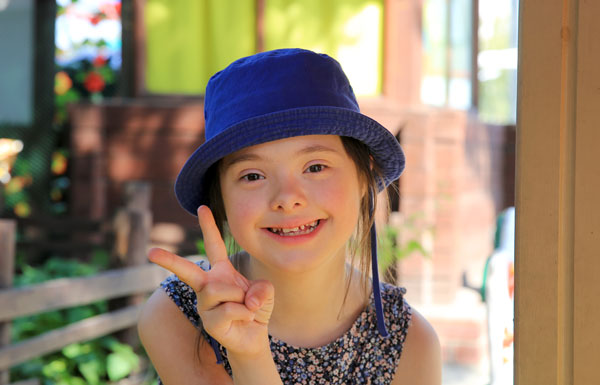
Not All Camps are Traditional Overnight Camps: While many parents remember long days at sleepaway camp, kids today have many more choices.
Not every child attends a residential camp far from home. Day camps, community programs, niche camps, and enrichment programs can provide many of the same opportunities. Camps today are as individual as children themselves. No matter what your child's taste or temperament, there's likely a camp that is a good fit.
Parents Have More Paths to Accessibility: For all the benefits camps can offer, there's still one issue that can prove challenging: accessibility. Camp programs can be expensive, particularly for families with multiple children or those who need full-day coverage.
A May 2026 report from the Afterschool Alliance found that parents of 24.6 million children wanted a structured summer experience for their children. Yet 12.6 million of those children were missing out. Cost was one of the biggest barriers.
However, modern families should know that there are options. Camp costs vary widely. And today, parents have access to affordable community programs, scholarships, and accessible local camps that can help bridge that gap.
Some Things Never Change: Despite all the differences, the heart of summer camp remains much the same. Children still get opportunities to make friends, try new things, get outside, and discover what they're capable of doing without a parent's guidance.
They may not come home with the same stories their parents remember, and their camp experience may include a few more safety protocols and a lot fewer phone calls. But the important things haven't changed.
Sometimes the best thing a child can bring home from camp isn't a new craft project. It's the realization that they made a friend on their own, tried something they were afraid of, or discovered they could handle a challenge without Mom or Dad's help.
And that's a pretty good summer, no matter what generation you're growing up in.
Share This Story