






Thinking Twice About Hot Dogs
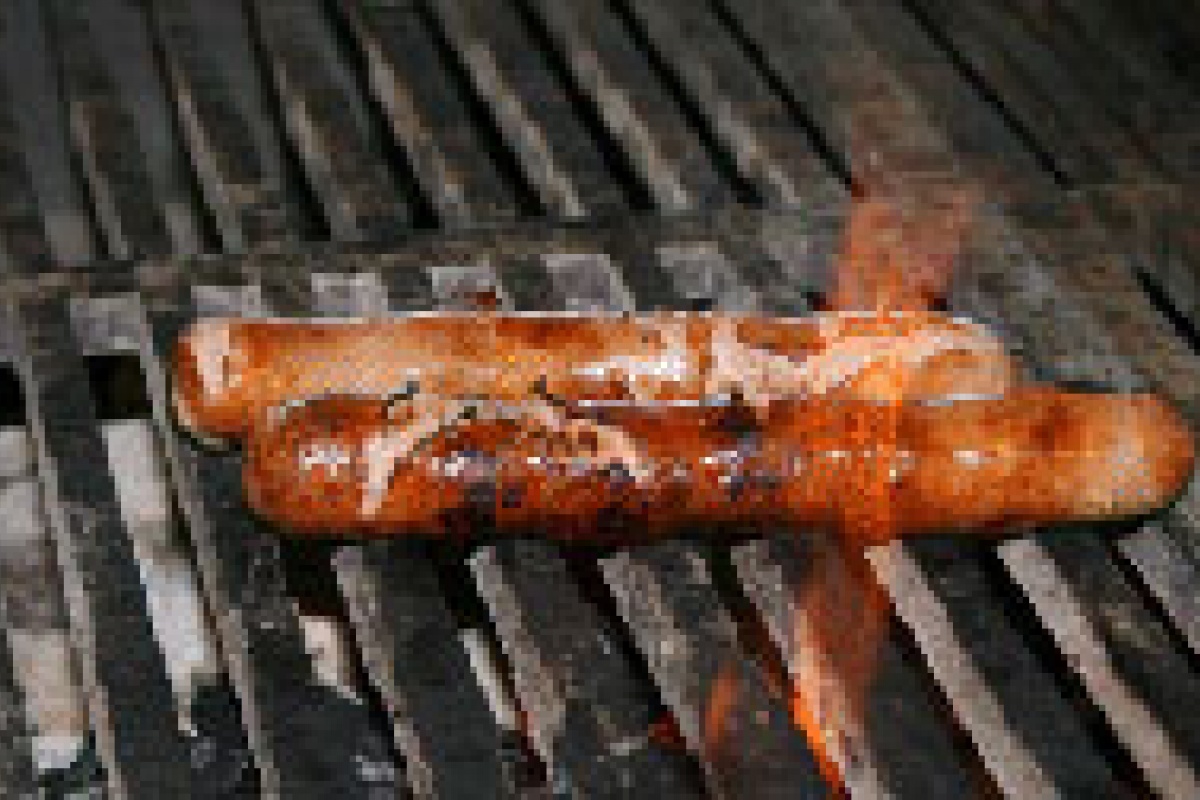
Come April, the only thing in Busch Stadium more maligned than Mark McGwire might just be the good old fan favorite, the hot dog. Today the American Academy of Pediatrics  published a policy statement online outlining the choking hazards posed by foods, coins and toys. Foods cause more than half of the non-fatal choking situations serious enough to require medical treatment in kids 14 and under -- and of choking deaths in kids under age 10, about 17 percent involved hot dogs, according to the AAP's policy statement.
Yes, some companies already label their hot dogs as a choking hazard. And many of us know that we should cut them up really small for toddlers, as we do with grapes and apples. The AAP wants doctors and other health care providers to drive home that message more. But it doesn't stop there. Its policy statement also says, "Food manufacturers should design new foods and redesign existing foods, including meat products, to avoid shapes, sizes, textures, and other characteristics that increase choking risk to children."
This latest bad news for hot dogs doesn't mention the actual ingredients they contain -- but there's been plenty of heat there, too. For example, the tastiest hot dogs, like the Hebrew National beef frank, contain 22 percent of the total fat an average adult on a 2,000-calorie diet should get in a day, 30 percent of the saturated fat, and 15 percent of the sodium. In October 2009, a Discover magazine article highlighted a study which suggested that low-level, long-term doses of nitrates and nitrites (compounds found in processed meats, like hot dogs, as well as in fertilizers) may be linked to diseases like diabetes, Parkinson's and Alzheimer's. Last spring, a study by the National Cancer Institute found that those who ate the most red and processed meats were more likely to die of cancer or heart disease.
By comparison, most of the other classic ballpark foods don't fare much better than the hot dog. Peanuts? Choking hazard. Cracker Jack? Ditto. Burgers? Fat and calories. It all makes the pretzel sound pretty darn good.
By Amy De La Hunt, Health Blogger for SmartParenting
Share This Story

Amy De La Hunt is a journalist and editor who lives in the St. Louis metro area and works across the country as a writer, copy editor, project manager and editorial consultant on everything from fiction books to monthly magazines to blog posts. When she's not chauffeuring her teenage sons to activities, Amy is an enthusiastic amateur cook, landscaper, Latin dancer and traveler. Follow Amy on Instagram @amy_in_words