






Tips for Teaching Your Kids to Write Thank You Notes (and why you'll be glad you did)
Did you know that January is National Thank You Month? With the holidays behind us and a new year stretching before us, it makes sense that this should be the month when we focus on expressing gratitude and remembering to say thank you for the gifts and blessings we receive.
One of the easiest ways to express thanks is through a simple, handwritten note. Unfortunately, the ability – and the desire – to write a thank you note is slowly becoming a lost art, especially among today’s youth. According to a 2011 survey conducted by TODAY Moms and Parenting.com, only 30.7% of moms say they always require their children to write thank you notes. A full 27.6% admit they never do.
Why Thank You Notes Matter
As a mom, I get it. I hated writing thank you notes as a child, and I usually feel like I’m pulling teeth when I sit down to help my children write notes of their own.
But as daunting as they can be to compose, thank you notes matter. By encouraging our kids to routinely verbalize their gratitude, we’re teaching them that saying thank you is a worthwhile habit. Hopefully, it's one that will stay with them their entire lives. And if a few simple thank you notes can help our kids grow into adults with the ability to genuinely appreciate what they have and receive, don't we owe it to them to insist they learn how to write a decent one?
Tips for Writing Thank You Notes with Kids
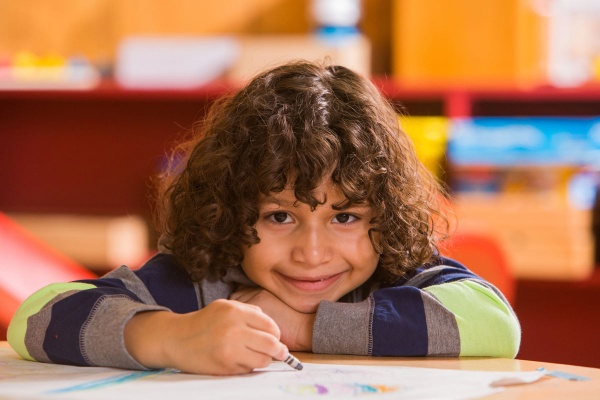
• Keep it age-appropriate. Young children who are just learning to write can’t compose long, eloquent letters, but they can draw pictures or get in the habit of signing their name. One fun way to limit the amount of writing required is to take a picture of your child with the gift he or she has received and include it in your note.
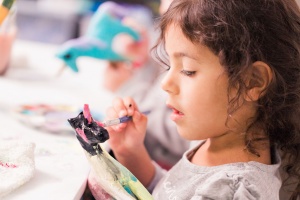
• Keep stationary and art supplies on hand. If you designate a special thank you note box where your family stores supplies, you will be less likely to put the activity off for another day (and then forget about it entirely.) Plus, if you allow your kids to get creative with glitter and stamps, they’ll be more enthusiastic about the project.
• Break up the process. Active kids don’t want to sit and write for hours. If there are many notes to be written (after a birthday party, for example), avoid working on them all at once. Instead, plan several short sessions throughout the course of a week or two. Make it fun by serving a special treat like popcorn or hot chocolate.
• Consider a rough draft. Even older children -- who should be able to write the notes themselves – are likely to need help clarifying their thoughts. Ask to see what they plan to write, and offer constructive criticism. It’s also important to insist on neatness for the final copy. Your kids may whine, but they’ll also improve their writing, editing and penmanship skills in the process.
• Send notes through the mail. Skip email and text and teach your kids a valuable lesson by using the good, old-fashioned postal service. Many of today’s teens are leaving school without ever learning how to address a letter or buy stamps; insisting on thank you notes is a great way to ensure that your child isn’t one of them.
• Focus on the “thank you.” If you treat thank you notes as an obligation, your kids are going to see them that way too. Instead, emphasize the importance of letting that special someone know how much you care.
Writing thank you notes doesn’t have to be as difficult as we make it out to be, and it’s a great way to teach our children an attitude of gratitude. National Thank You Month marks the perfect time to share this valuable skill with your child – and maybe get back into the habit yourself.
Do you write thank you notes? Do you make your kids write them?
Share This Story

Alyssa Chirco is a freelance writer, mother and margarita lover, not necessarily in that order. In addition to writing for STL Parent, she is Contributing Editor at Parenting Squad, and covers parenting, health and lifestyle topics for publications across the country. She recently moved from the suburbs of St. Louis to a small town in rural Jefferson County, where she is learning to survive with no Target or Starbucks in sight. Follow her on Twitter @AlyssaChirco