




Oh Dear, Oh Dear - Here Comes Ramona
Imaginative, mischievous children are among some of the most memorable characters in children’s literature. 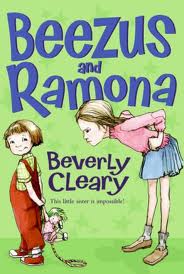 There is the brave Madeline, the capricious Eloise, the hilariously mouthy Junie B. Jones - no shortage of strong young girls full of ideas and energy, with big hearts and the confidence to come into their own. But the girl who will always stay with me, who made her appearance in the 1950’s but was just as reachable to me in the 1980’s and to kids today, is stubborn, pesty Ramona Quimby.
Now I know that Beverly Cleary, the beloved author of the Ramona books, began her writing career with the impetus to create stories about children that kids could actually relate to. But about the only thing Ramona and I had in common was a last name that began with the letter Q. Alas, I was always a bit more like Ramona’s older sister Beezus, cursed with a sensibility characteristic of the oldest sibling.
In fact, perhaps it was because she had an older sister to traipse after and I didn’t that I was drawn to her. Or perhaps it was her unbridled imagination I found so intriguing, though I was rarely moved (or perhaps didn’t have the courage) to squeeze out an entire tube of toothpaste in the bathroom sink just to see what it felt like. The truth is, I had so much to learn from Ramona, about fun and curiosity and fairness and coloring outside the lines.
Though Ramona showed up in Cleary’s Henry Huggins books, she was written into her own series that quickly became popular among young readers. And it all began with Beezus and Ramona, that wonderful riot of a book about sisters. Beezus, Ramona’s 9-year-old big sister, figures as the main character here, offering a perspective on 4-year-old Ramona that sets the stage for all the books that follow.
Ramona is a classic younger sibling. She makes loud, annoying noises, interrupts Beezus’s needlework, rides her tricycle through Beezus’s checker game, locks the dog in the bathroom - in short, she spoils just about everything for her big sister. It seems Beezus can never shake her, tagging along everywhere she goes - even her art class, Beezus’s one refuge, is not safe from the determined Ramona. Though the encounters are exasperating, they are equally hilarious, and in the end, Beezus learns just as much about her own imagination as her little sister’s.
This summer, Ramona has finally hit the big screen with July’s premiere of Ramona and Beezus, a film that draws its story from all of the Ramona books. And though I may quibble with the title for losing its nagging quality, I am delighted to see this strong young girl speaking to a new generation of kids. If you haven’t seen the movie already, I encourage you to read the Ramona books with your kiddos beforehand. As exciting as it is, it is no substitute for the timeless, hilarious world that Beverly Cleary creates through her words. Start with Beezus and Ramona.
Erin Quick, Books Blogger for SmartParenting
Share This Story