







10 Tips for Boosting Your Child’s Reading Skills
Becoming a reader is one of the most exciting learning adventures your child will ever experience. Many children need little more than exposure to books and they’re off on their own. But others need guided support as they struggle with sounds, fluency and reading unfamiliar words.
Reading is a complex process, but it’s vitally important to all learning. You’ll want to help your child build skills step by step and maintain a high degree of enthusiasm and confidence all along the way. When a child is overwhelmed by the pace of new vocabulary or the expectation to “read faster” there is a higher likelihood of discouragement.
Reading together regularly is the best way parents can help their children learn to read. Here are some tried and true methods to use when you read side by side with your young learner:
- First, be sure your child is ready to read. Have you read many and varied stories, poems, nursery rhymes and a variety of non-fiction books to him? Does she know how to hold a book, turn the pages, and follow from left to right? Does he know the letters of the alphabet and does she know the sounds they make? Can he recognize a few words such as his name, mom and dad, stop, go, etc.? Does she know how to write some letters on her own? If the answer is no to most of these, take some time to get ready for reading. And be sure the entire process is positive and enjoyable.
- Keep a reading/writing center in your home filled with supplies. You might include all kinds of paper, pens, markers, crayons, scissors, tape and glue, pipe cleaners, envelopes, stamps and stamp pads, etc. Children love to make their own books and write their own stories.
- Read favorite books over and over again. Stop and let your child fill in the words. Allow them to memorize the book and “read” it themselves. This kind of practice is confidence-building and sets the stage for independent reading lessons.
- Once you’re working on early reading material, remember good readers use a variety of strategies to solve problems. As adults we do this without giving the process much thought. Here are some of the strategies we use when we come upon a new or difficult word. Your child should use these too:
- We go back and reread to make sense.
- We break the word into chunks and read the parts we already know.
- We read past the word to see what might make sense in that place.
- We read carefully all the way through the word, part by part.
- We use picture clues and other prompts from the text.
- We ask ourselves questions such as “Does that make sense?” “Would that work?” “Does that sound right?”
- Choose the right reading level for your child. Children need some books to practice on their own that are familiar and easy. They also need books at their “instructional level” which means books with a few challenges. When they are working on these more difficult books, you need to be with them asking questions, prompting with correct strategies and available to prevent reading frustrations. Allowing a wait time of 8-10 seconds before stepping in with a prompt gives the reader time to try some strategies on his or her own.
- Avoid labeling your reader with words that compare. They’re on the road to reading and it’s not important if they’re learning as quickly as another person.
- Be sure the culture of your home is pro-reading. Use your local library to enrich your home with good reading material. Newspapers, magazines, baseball cards, maps, are all reading material too. Your children should see you reading for enjoyment and there should be read-aloud times every day. Family read-alouds with time for discussion are a wonderful incentive for young readers to work hard to become fluent themselves.
- Retelling a story out loud is a great way for children to gain the meaning of the story. They’ll become familiar with characters, settings and the action line with a beginning, middle and end.
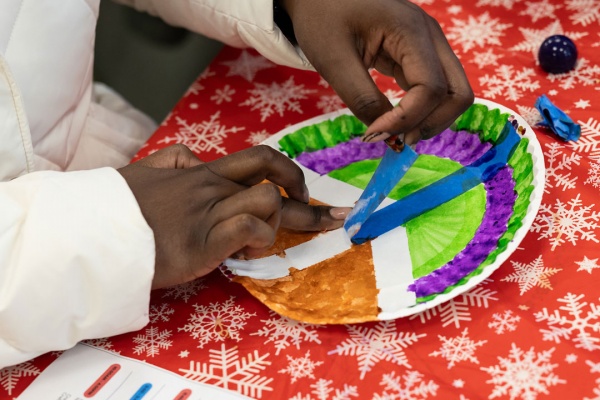
- Make reading fun with extensions and activities related to the stories they love. Let them draw, act out the story, make mobiles, puppets and all manner of art projects related to the characters and action of a favorite book. Make charts and graphs to depict the characters, setting and storyline. Compare and contrast, chart the action, decide to change the ending or write new characters into the book.
- Choose quality materials. Become familiar with great authors and illustrators. You can find lists of classic children’s literature at www.ala.org. This is the national organization for libraries. Look for books that have earned awards such as the Caldecott awards for illustrations and Newbery Awards for excellence in literature.
It’s a joy to watch children become fluent readers, but it can be a challenge to work daily with those children who struggle to learn. In most cases lots of practice at the appropriate reading levels will provide growth over time. You may want to write a few books about your own family members and make that the reading practice of the day. Familiar names, places and activities will make the story much more engaging. Your child will pick up on your enthusiasm for reading.
Your reward? Happy successful learners.
Share This Story
Jan Pierce, MEd, is a retired teacher and freelance writer who specializes in parenting, education and family life. She is the author of Homegrown Readers: Simple Ways to Help Your Child Learn to Read.